Skip to content
Pokemon Mechanics Intelligence Deck
Checking session...

Mechanics Command Deck

Combat Systems Intelligence

Advanced tactical reference for battle logic, stat engineering, field control, and generation-specific power systems.

Core topics 4HUD frames 6Battle phases 5Power systems 4

Battle HUD Evolution

Visual comparison of battle interface language from early handheld to modern era.

Generation I battle HUD screenshot

Generation I

Red / Blue / Yellow


  • Minimal HP/level panels
  • No abilities or weather overlay
  • Core move log and status-first readability
Generation III battle HUD screenshot

Generation III

Ruby / Sapphire / Emerald

  • Cleaner HP bar readout with icon polish
  • Improved move feedback text rhythm
  • Still compact and low-clutter layout
Generation V battle HUD screenshot

Generation V

Black / White

  • Dynamic camera framing and depth feel
  • Higher visual separation between battlers
  • Better readability of action state
Generation VII battle HUD screenshot

Generation VII

Sun / Moon

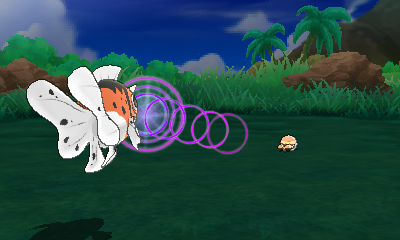
  • Modernized battle scene framing
  • Expanded UI clarity for status and actions
  • High contrast text and panel language
Generation VIII battle HUD screenshot

Generation VIII

Sword / Shield

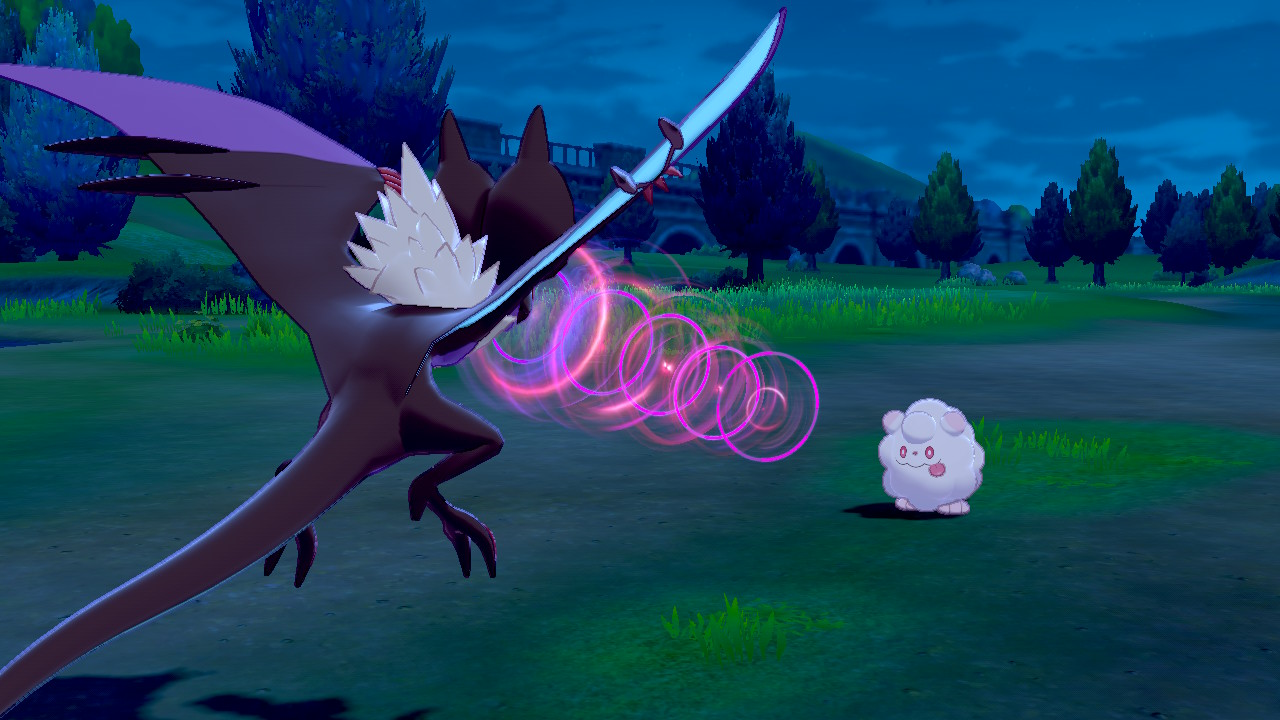
  • Arena-scale staging with broadcast feel
  • HUD tuned for spectacle mechanics
  • Strong telegraphing of attack sequence
Generation IX battle HUD screenshot

Generation IX

Scarlet / Violet

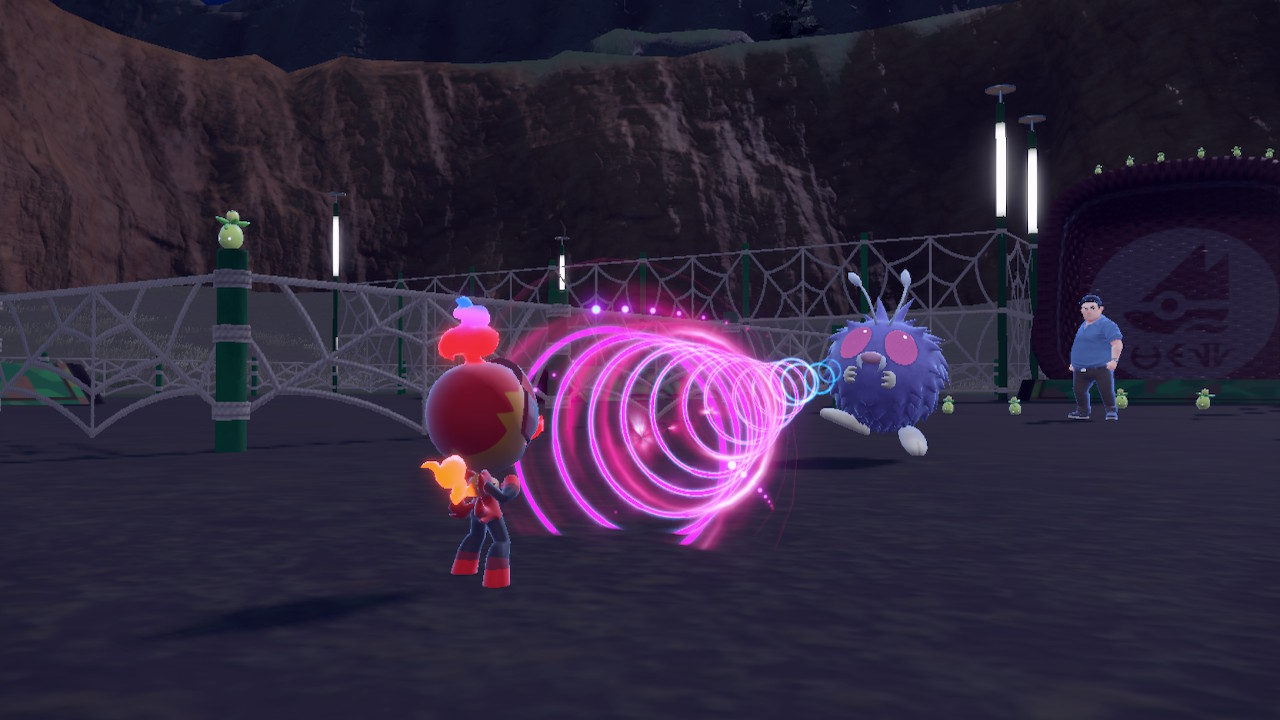
  • Open-battle identity with updated panel style
  • Cinematic camera and updated action framing
  • Modern iconography and readability balance

Type Effectiveness

Damage multipliers, immunities, resistance stacking, and role compression for both singles and doubles.

4 operator checks

Checklist

  • 2x/4x weakness identification before team lock
  • 1/2x/1/4x defensive pivot planning
  • Immunity pivots (Ground, Ghost, Electric, Dragon/Fairy)
  • Coverage overlap and move-slot efficiency audit

Focus Systems

  • STAB + Terastal or legacy boost interactions
  • Defensive cores and safe-switch routing
  • Lead matchup matrix and endgame clean routes

Advanced Notes

  • Map offensive coverage in pairs (primary + emergency neutral hit) rather than isolated move slots.
  • Use immunities to force turn advantage instead of only chasing raw OHKO ranges.
  • Track role compression: one Pokemon should solve at least two matchup families.

Common Mistakes

  • Overinvesting in super-effective hits with no defensive fallback.
  • Ignoring neutral damage breakpoints from high-BP options.
  • Building six attackers with no pivot immunity chain.

Practice Loop

  • Build a six-mon draft -> mark every 4x weakness -> assign one hard answer.
  • Run five matchups and document the turn where typing advantage flipped.
  • Adjust only one slot and repeat to isolate true weaknesses.
mechanicstypesbattlecoverageteam-building

Breeding / IV / EV / Nature

Stat engineering pipeline for competitive-ready monsters with minimal wasted resources.

4 operator checks

Checklist

  • Target nature + ability lock before egg cycle
  • IV inheritance route with Destiny Knot and parent filter
  • EV spread blueprint by role and speed tier
  • Final benchmark test against known meta threats

Focus Systems

  • Speed tier control and creep planning
  • Damage roll optimization by EV breakpoints
  • Nature and IV tradeoffs by role

Advanced Notes

  • EVs should be bought by benchmark, not by habit (ex: survive specific spread move).
  • Speed investment is a strategic contract; every extra point must beat a known tier.
  • Hidden wasted EVs usually appear after item and ability modifiers are ignored.

Common Mistakes

  • Copy-pasting spreads without checking current format speed tiers.
  • Maxing two stats on support Pokemon with no utility benchmark.
  • Ignoring imperfect IV benefits (ex: low Atk to reduce confusion/Foul Play damage).

Practice Loop

  • Pick one role target (pivot/sweeper/wall).
  • Define 3 benchmark threats.
  • Tune IV/EV/Nature until all three are covered, then freeze spread.
mechanicstrainingbreedingivevnature

Shiny / Status / Weather / Terrain

Probability systems and field-state modifiers that transform both tempo and win conditions.

4 operator checks

Checklist

  • Shiny method + odds stack understanding by era
  • Primary status condition impact map
  • Weather and terrain turn economy tracking
  • Field-state denial and overwrite strategy

Focus Systems

  • Status pressure for tempo denial
  • Weather-terrain damage/survival breakpoints
  • Field control and resource attrition

Advanced Notes

  • Burn and paralysis are often tempo tools, not only chip effects.
  • Weather and terrain should be timed for sweep windows, not activated immediately.
  • Shiny farming routes are optimized by encounter speed and chain stability.

Common Mistakes

  • Triggering weather too early and losing turns before your win condition enters.
  • Treating status as random utility instead of planned turn control.
  • Ignoring opposing field overwrite options.

Practice Loop

  • Run one weather offense script and one anti-weather script.
  • Track terrain turns consumed before your carry enters.
  • Log status infliction success to identify over/under-committing.
mechanicsstatusweatherterrainshiny

Generation Mechanics

Feature timeline from legacy formulas to modern transformation systems and regional battle identities.

4 operator checks

Checklist

  • Generation feature timeline alignment
  • Mega/Z/Dynamax/Terastal activation logic
  • Regional forms and signature gimmick impact
  • Format-dependent adaptation notes

Focus Systems

  • Power system window control
  • Counter-gimmick planning
  • Cross-generation adaptation and role translation

Advanced Notes

  • Every generation-specific power system changes turn value, not only damage output.
  • The best adaptation pattern is role translation: keep role, replace mechanic.
  • Counterplay should be prepared before activation turn, not as reaction.

Common Mistakes

  • Forcing previous-gen habits into new gimmick ecosystems.
  • Using high-impact mechanics on the first safe turn without scouting.
  • Ignoring format ruleset limits when evaluating a system.

Practice Loop

  • Pick one archetype (balance/offense/trick room).
  • Port it across two generations with different gimmicks.
  • Document what changed in win condition timing.
mechanicsgenerationsmeta-systemstimelinebattle-flow

Battle Flow Matrix

Turn-by-turn control model to reduce execution errors and timing mistakes.

PhasePriority WindowResolution DetailCommon Failure
Preview / Lead SelectionBefore turn 1Evaluate matchups, hazards, speed control, and immediate pivot lines.Choosing a lead with no safe switch chain.
Turn Order ResolutionAction declarationPriority brackets, speed ties, and temporary speed modifiers define execution order.Ignoring hidden speed control (paralysis, Tailwind, item boosts).
Damage & Effect ResolutionMid-turnMove power, type interaction, stats, ability/item modifiers, and random roll resolve.Overcommitting to low-probability KO ranges.
Secondary & Field EffectsPost-actionStatus procs, recoil, weather, terrain, and field chips update board state.Forgetting end-of-turn chip math before next commitment.
Win Condition ShiftAfter each KO/tradeRe-evaluate remaining defensive pivots and sweep windows after every removal.Following preplanned script after board state changed.

Generation Power Systems

Cross-era comparison of battle gimmicks and how to counterplay each one.

EraMechanicActivation ModelOffensive EdgeCounterplay
Gen VIMega EvolutionOne-time transformation of selected species mid-battle.Stat spikes and ability swaps create immediate pressure.Force timing early or pivot around revealed Mega role.
Gen VIIZ-MovesOne burst move per battle with crystal/type constraints.Breaks defensive cores through guaranteed high-power strike.Scout the carrier and preserve one sacrificial or resistant pivot.
Gen VIIIDynamax / GigantamaxThree-turn HP boost and move conversion window.Tempo swing via bulk + weather/terrain setup from Max moves.Defensive stalling, Protect cycles, and forced positioning.
Gen IXTerastalizationOne-time type shift with STAB realignment.Rewrites matchup chart and can create surprise resist/offense lines.Read likely tera profile and keep flexible neutral coverage.

Build Recipes

Practical templates to move from theory into repeatable battle preparation.

Recipe

Balanced Ladder Core

Build a stable team with low matchup volatility.

  1. 1. Start with one defensive anchor and one speed controller.
  2. 2. Add one wallbreaker that punishes passive teams.
  3. 3. Cover at least two immunity axes (Ground + Ghost recommended).
  4. 4. Finalize with hazard control and emergency revenge option.

Outcome: Safer game plans across unknown opponents.

Recipe

Weather Pressure Script

Create a tempo offense around limited weather turns.

  1. 1. Define weather setter and immediate abuser pair.
  2. 2. Assign one anti-weather pivot for mirror matchups.
  3. 3. Plan weather turns as resource windows, not default state.
  4. 4. Reserve a late cleaner that works even without weather.

Outcome: Controlled explosive turns without auto-losing when weather drops.

Recipe

Tournament Prep Loop

Convert theory into repeatable match execution.

  1. 1. Identify three meta threats and write first-three-turn plans.
  2. 2. Run 10 test games and track failure turns.
  3. 3. Patch one matchup gap at a time; avoid full rebuild panic.
  4. 4. Lock final six and practice only lead/pivot discipline.

Outcome: Cleaner decision speed and fewer high-risk misreads.